
COVID-19 in Southeast Asia: much more than a health crisis
COVID-19 cases have risen exponentially in Southeast Asia in the past few months – at one time deaths were increasing at the fastest pace in the world.

COVID-19 cases have risen exponentially in Southeast Asia in the past few months – at one time deaths were increasing at the fastest pace in the world.

Myanmar’s people have clearly and universally rejected the coup and the military junta. Will international governments, donors, and aid agencies do the same?
In recent years in the US, the voice of post-feminism has become louder, coming mainly from middle-upper class female executives or female pop culture icons

The Special Summit of the Association of Southeast Asian Nations (ASEAN) on Myanmar has begun in Jakarta today amid controversy over the expected attendance of Myanmar’s coup leader, Senior General Min Aung Hlaing.
In Southeast Asia, as in other parts of the world, COVID-19 vaccines have become the object of desire for those who are impatiently waiting to be protected
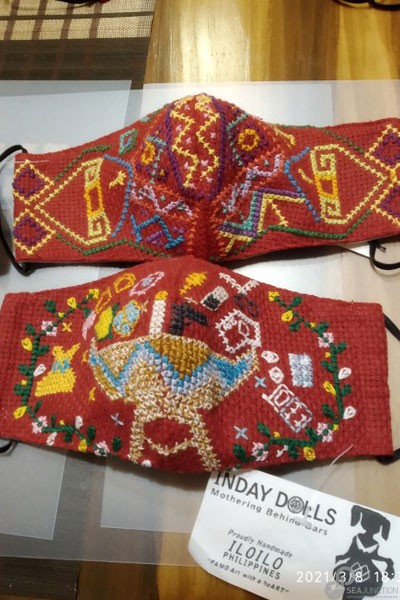
When it comes to statement masks, nothing beats the chutzpah of bilat (vagina) masks that were stitched by women inside the prisons of Iloilo City.

Since the beginning of the pandemic, philanthropists and private foundations have invested their resources to control the Covid-19 epidemic and ameliorate its impacts.

The Jakarta Post – The COVID-19 pandemic is highlighting major divides in society and exposing preexisting vulnerabilities. A case in point are the estimated 10 million international migrants in Southeast Asia, mainly consisting of lower skilled-workers most often in irregular positions.

The current COVID-19 discourse shows how little social scientists have made their voices heard, and should inspire us to do more and speak out louder – while keeping distance

Southeast Asia’s health systems are remarkable for an absence of meaningful regional collaboration. What are the barriers to collaboration, why should we collaborate more and how can we get started?